
Industry · Restaurants
Serving robots for restaurants, extra hands for the rush.
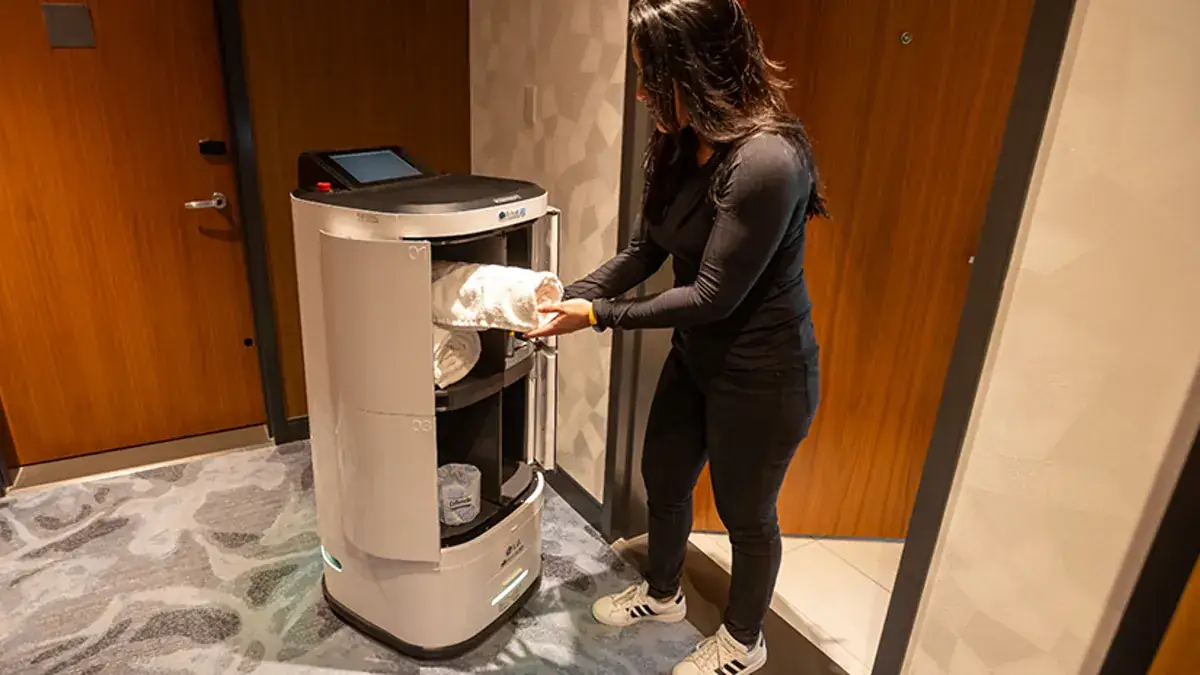
The robot carries the dishes and brings back the plates. Your servers stay on the floor, where they create value: advice and guest relations.
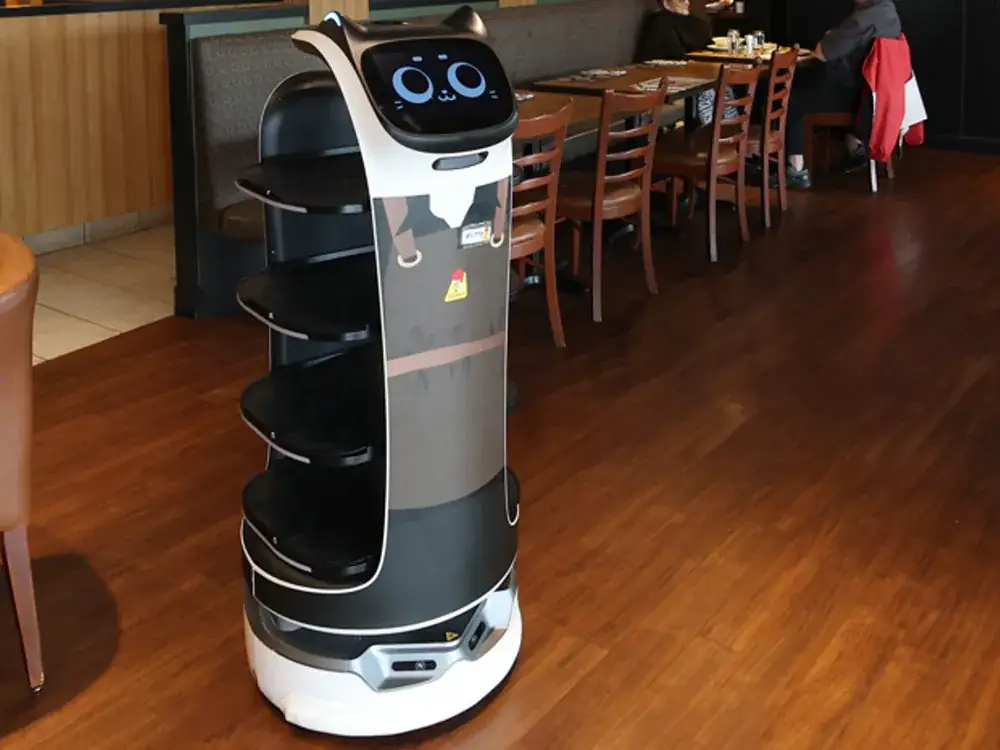
Use case examplePuduBot 2— Dining room service
Featured robots
The models we recommend most often
An indicative selection: the final model is always chosen after your site assessment.
- Availablephoto 1:1
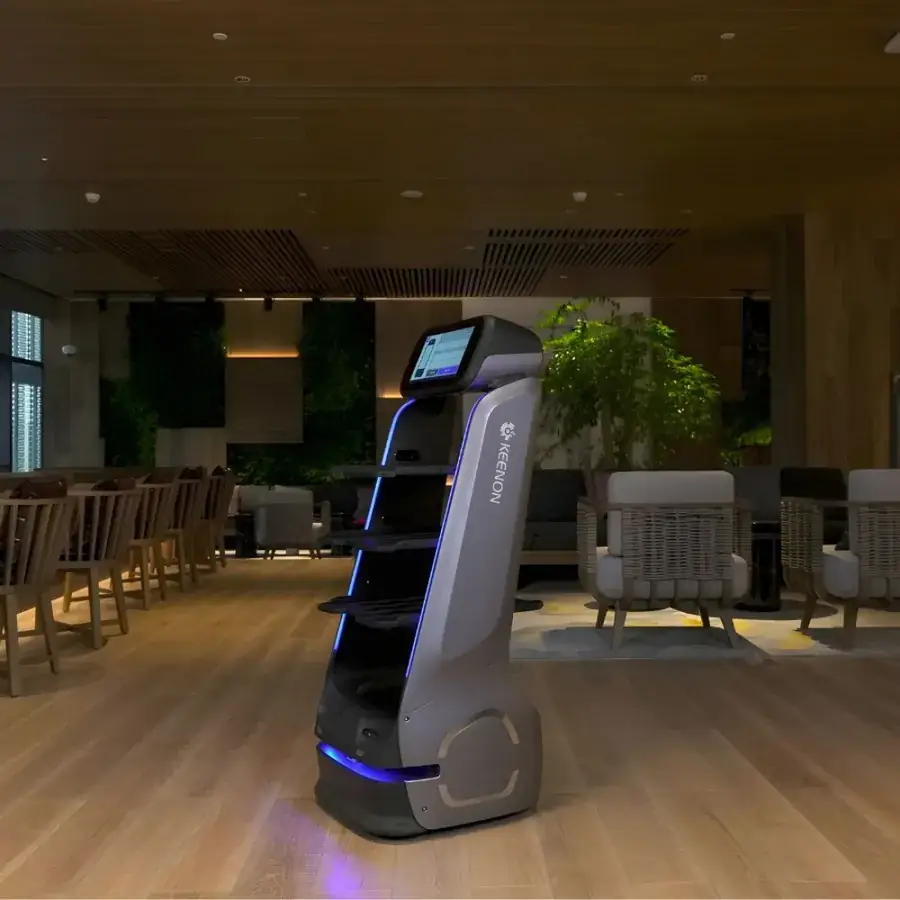
Keenon · Serving robot
Keenon T9 Pro
- Up to 15 h of real-world battery life
- VSLAM navigation, no ceiling markers
- Up to 400 dishes delivered per day
Main benefit: Covers a full day of service, from lunch to dinner, with no mid-day recharge.
- Availablephoto 1:1
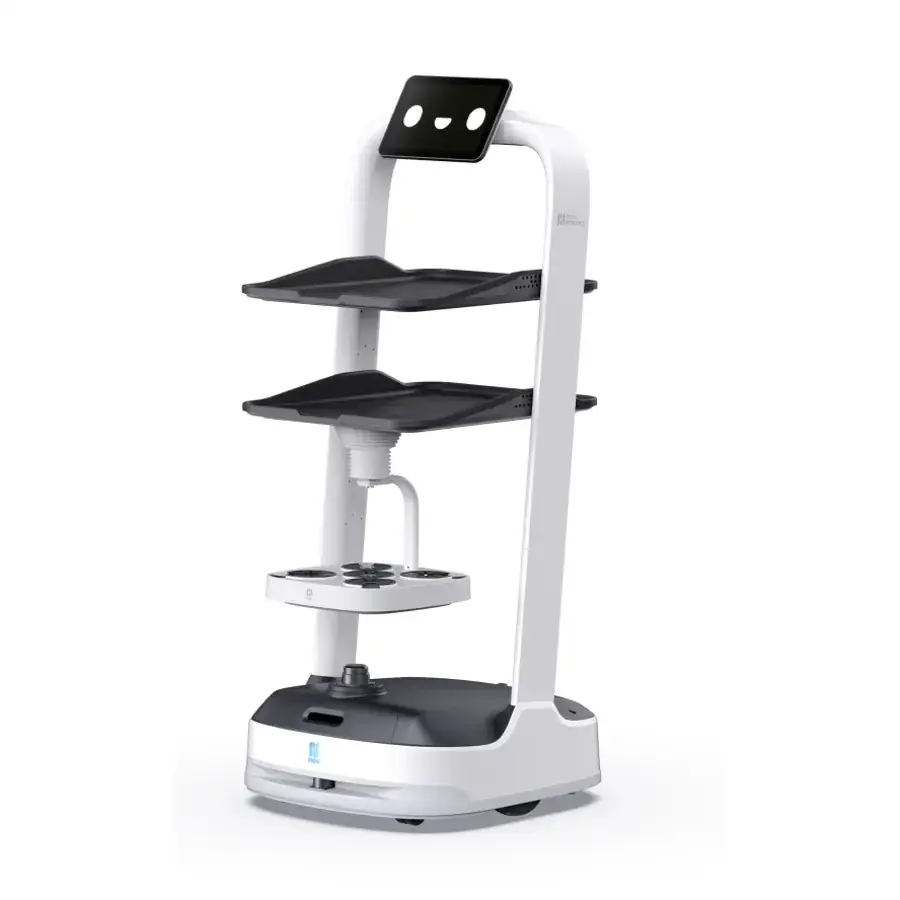
Pudu · Serving robot
PuduBot 2
- Autonomous navigation between guests
- Suited to crowded dining rooms at peak times
Main benefit: Absorbs the rush without hiring last-minute extra staff.
- Availablephoto 1:1
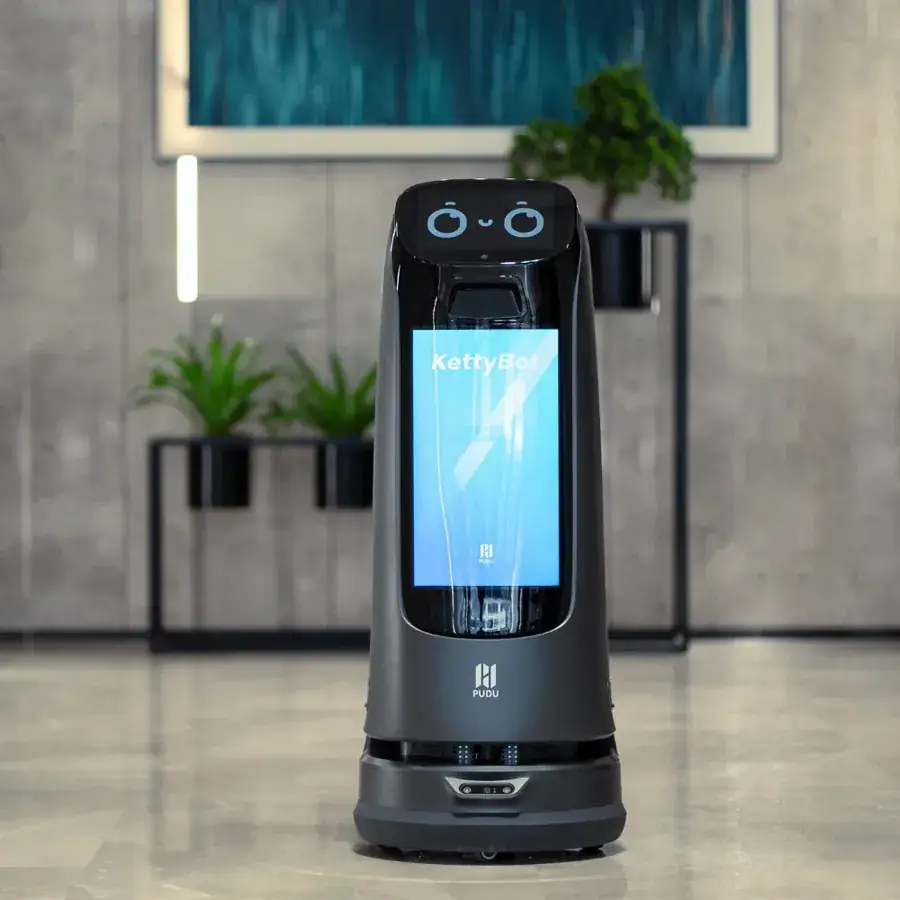
Pudu · Welcome and ordering
Pudu KettyBot Pro
- Built-in screen for the digital menu
- Guides guests to their table
Main benefit: Frees up the host when several groups arrive at once.
In practice
Robots in a restaurant
Where robots work, and which ones: each number links to the suitable models.
Dining room service
Bring dishes from the pass to the tables and return dirty dishes.
See serving robots
In brief
Service robotics for restaurants
A serving robot is an autonomous mobile robot that carries dishes from the kitchen to the tables and brings dirty plates back to the dishwashing area. It does not replace servers: it removes the back-and-forth so the team can stay with the guests. A serving robot runs up to 15 hours a day and pays for itself in 5 to 7 months compared with the cost of a food runner, estimated at €27,000 a year including payroll costs.
Definitions
- Food runner
- The staff member who carries dishes between the kitchen and the dining room. It is the role a serving robot assists first.
- Autonomous mobile robot (AMR)
- A robot that moves on its own by mapping its surroundings, with no rails or floor markings, and steers around obstacles in real time.
- Robot-as-a-Service (RaaS)
- Renting a robot for a monthly or quarterly fee with a 36-month commitment, including installation, maintenance, insurance and replacement in case of failure. It is the alternative to buying the robot outright.
How it works
How a serving robot works
The robot slots into the existing flow between the kitchen and the dining room, with no need to reorganize service.
Mapping
The robot scans the dining room and records the number of each table.
Loading
In the kitchen, staff place the dishes on the trays and select the table.
Delivery
The robot reaches the table, steering around guests and obstacles, then returns.
Bussing
Between two deliveries, it brings dirty plates back to the dishwashing area.
Robot types
The robot families used in restaurants
Each family addresses a specific task. Many facilities combine two or three of them.
- photo 4:3
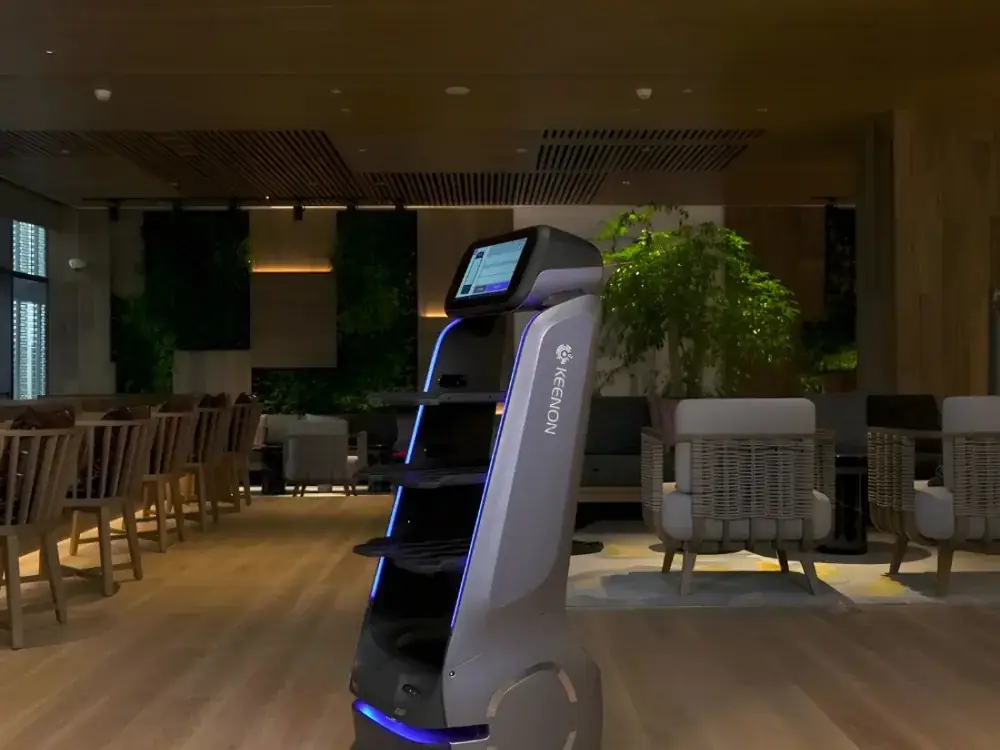
Serving robots
Delivering dishes to the tables, several trays per trip.
Keenon T9 Pro · OrionStar LuckiBot Pro
See these robots - photo 4:3
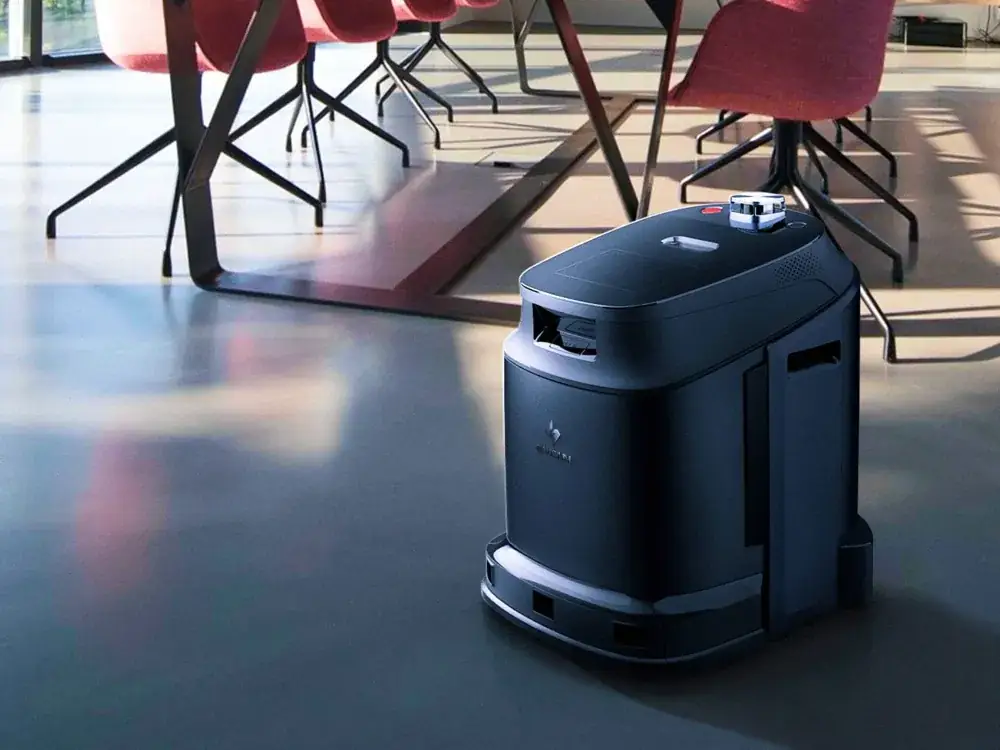
Cleaning robots
Vacuuming, scrubbing and drying dining room and kitchen floors, including under the tables, outside service hours.
Keenon KLEENBOT C40 · Pudu CC1
See these robots - photo 4:3
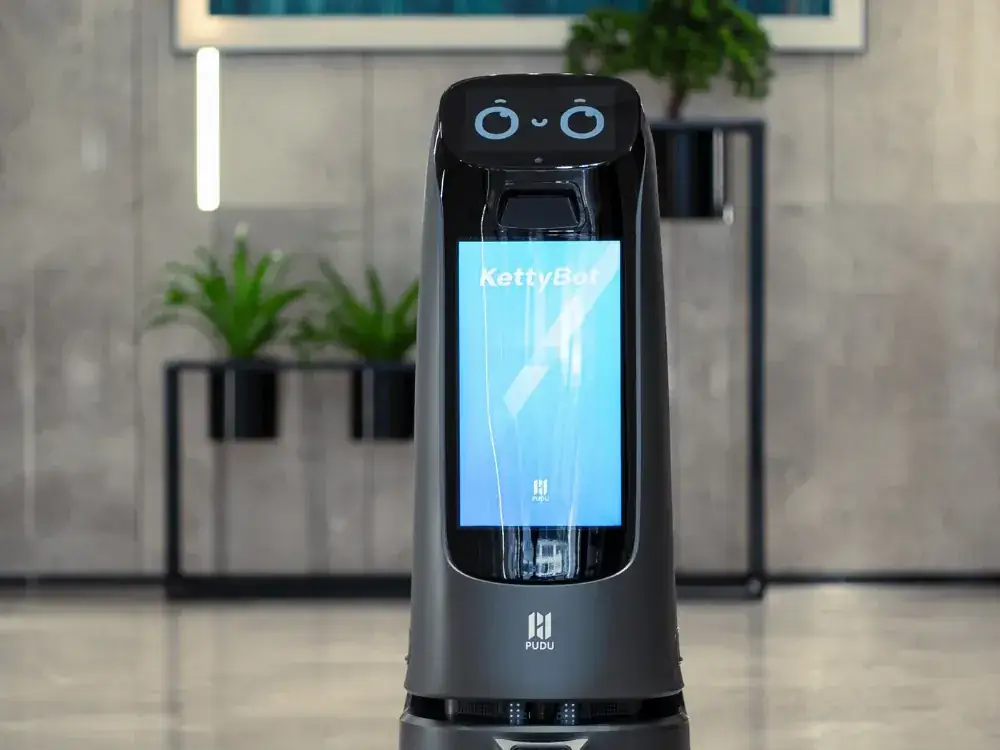
Welcome and ordering robots
Digital menu on screen, guest welcome at the entrance and leading guests to their table.
Pudu KettyBot Pro
See these robots
Which robot for your facility?
One week of assessment to shortlist suitable robots, then a free demonstration at your site with test robots.
Use cases
Real situations, measurable results
The Saturday night rush
Situation
The dining room is full and every server keeps running back and forth to the kitchen.
With a robot
The robot handles the trips, servers take orders and advise guests.
A kitchen far from the dining room
Situation
Terrace, upper floor or large venue: every trip takes several minutes.
With a robot
Dishes arrive hot without tying up a food runner over the distance.
Cleaning between two services
Situation
The dining room floor must be spotless for the next service, in very little time.
With a robot
The robot cleans under the tables and along the aisles during the break, without calling on the team.
ROI and benefits
Key figures for the industry
Every figure is sourced. Estimates are flagged and refined during the assessment with your actual data.
- for a serving robot to pay for itself compared with a food runner
- 5–7 months
- Elio estimate
- annual cost of a food runner, including payroll costs
- €27,000
- Elio estimate
- of real-world battery life for a serving robot (Keenon T9 Pro)
- 15 h
- Manufacturer data
- of hires considered difficult in the French hospitality sector
- 57.4%
- Market data
Our advisory approach
We assess your needs before recommending a robot.
In restaurants as elsewhere, the right robot depends on your flows, your spaces and your systems. Elio acts as an independent integrator: every recommendation stems from an on-site assessment, not from a catalog.
Discover our full method- 1 week
Assessment and shortlist
Understanding your needs, detailed on-site analysis and a robot shortlist drawn from several manufacturers.
- With you
Robot selection
Joint decision on the robot or robots to retain, and choice between purchase and a 36-month rental with monthly or quarterly fees.
- On site
Free demonstration
Free demonstration at your site, with test robots, in your real-world conditions.
- Ongoing
Maintenance and after-sales
Preventive and corrective maintenance, hardware response within 48 h in France, replacement if needed.
Multi-brand
The best manufacturers, a single point of contact.
Elio partners with the world's leading robot manufacturers. You get access to the whole market's offering, with a single contract, a single after-sales service and a single dashboard.
Independent advice
No brand is imposed: the recommendation starts from your needs, not from stock to clear.
The right robot for each task
A different model can be chosen for transport and for cleaning, on the same site.
No vendor lock-in
You are not tied to a single manufacturer's roadmap or pricing.
Better value for money
Models are compared on the same technical and financial criteria before any choice is made.







You can either buy the robot or rent it for a monthly or quarterly fee with a 36-month commitment, including installation, maintenance, insurance and replacement in case of failure. The amount depends on the model and the option you choose; it is quoted after the assessment.
Elio estimates that a serving robot pays for itself in 5 to 7 months compared with the cost of a food runner, put at €27,000 a year including payroll costs. The final calculation is based on your number of covers and the distance between the kitchen and the dining room.
No. The robot takes care of carrying dishes and plates. Servers keep order-taking, advice and guest relations, which cannot be automated.
Yes, provided the aisles are wide enough for it to pass. Aisle widths, thresholds and steps are checked during the on-site assessment, before any recommendation.
Getting started is quick: staff learn to load the robot and select a table. Training is delivered on site by Elio when the robot is commissioned.
Related industries
You may also be interested in

Let's talk about your project for restaurants.
A 15-minute call with an Elio engineer to qualify your needs. No commitment.